
ArticlesArticleNovember 2, 2026
What Is a Drum Axle? Complete Guide + Disc Comparison
What is a drum axle and how does it differ from a disc axle? A complete guide to components, pros and cons, and buying drum axles from RSTAxles.
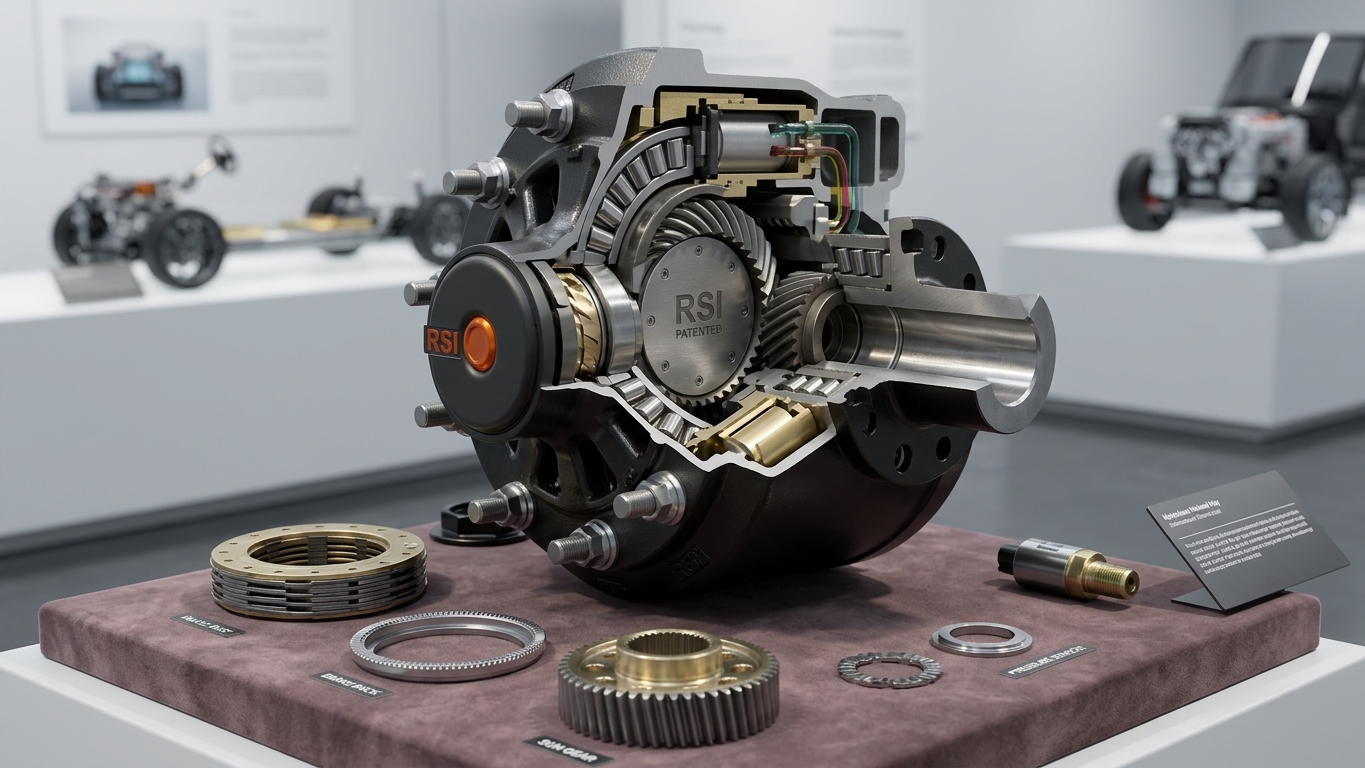
A drum axle is a type of trailer axle that uses a drum brake system. In this system, the brake shoes and shoe linings press against the inner surface of the brake drum, creating friction that slows the wheel. Thanks to its simpler structure, usually lower maintenance costs, and good durability, this type of axle is used in many cargo trailers and heavy-duty applications. The axle is one of the most important components of a trailer: it carries the load, connects the wheels to the chassis, and directly affects driving stability and safety. In this article, we explain in simple, technical terms what a drum axle is, what components it has, how it works, and when it is the right choice for your fleet.
What Is a Drum Axle and What Does It Do?
- Firmly connecting the wheels to the trailer chassis
- Carrying the cargo weight and the forces transmitted from the road
- Maintaining the trailer's balance and stability while driving, turning, and braking
- Slowing the wheels through the brake shoes and brake drum
- Helping the trailer stop safely on different routes
The drum axle(https://rstaxles.com/en/products/drum-axle) therefore plays both a structural and a safety role: it carries the load and also handles an important part of the trailer's braking.
Where the Drum Axle Fits in the Trailer Axle Family
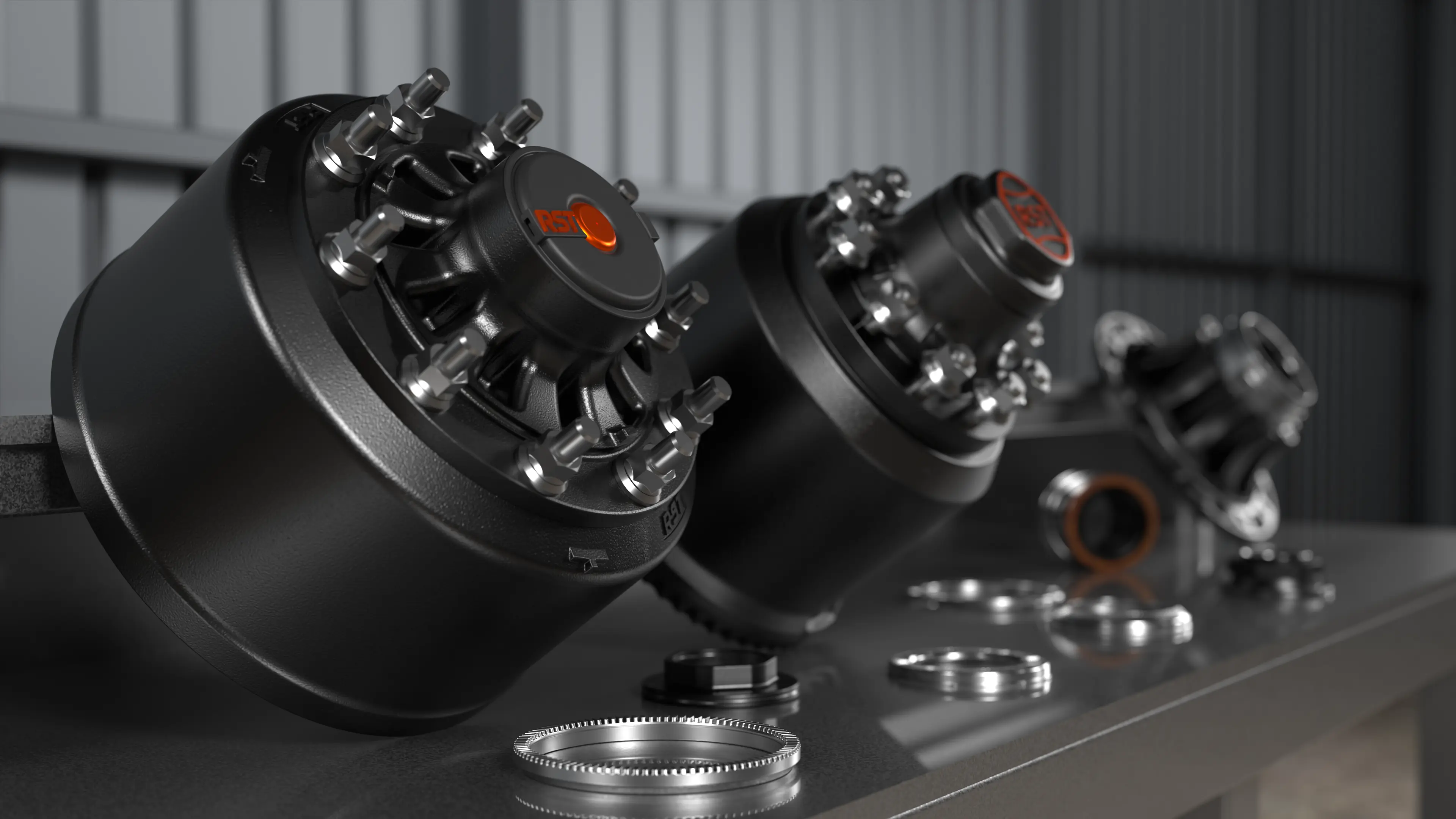
To answer precisely what is a drum axle precisely, we first need to understand its place among trailer axles. A trailer axle is a metal structure that connects the wheels to the chassis and carries the load. It affects load capacity, stability, braking safety, and fleet maintenance costs. Trailer axles can be divided into two main categories based on the brake system:
- Drum axle: braking is done with brake shoes, shoe linings, and a brake drum.
- Disc axle: braking is done with a brake disc, caliper, and pads.
Because of its simpler structure, usually lower maintenance costs, and good compatibility with traditional applications, the drum axle is used in many cargo, haulage, and tipper trailers. The disc axle, by contrast, is usually chosen for applications where more precise braking, higher speeds, and better heat management are priorities.
Main Components of a Drum Axle
The components of a drum axle work together to carry the load, let the wheel rotate smoothly, and brake safely. The most important ones are:
- Axle beam: The main, strong body of the axle. It holds the wheels on both sides and carries the forces from the road and the load.
- Spindle: The end section of the axle on which the wheel hub and bearings are mounted.
- Wheel hub: The part on which the wheel is mounted. It allows smooth, controlled wheel rotation.
- Bearings: They reduce friction between moving parts, keep the wheel in its exact position, and withstand radial and axial loads.
- Brake drum: A cylindrical metal part that rotates with the wheel. Its inner surface is where the brake shoes make contact.
- Brake shoe: Metal plates on which the lining is mounted. During braking, they are pressed against the inside of the drum.
- Shoe lining: The friction material that slows rotation by contacting the inner surface of the brake drum.
- Shoe springs: They hold the shoes in the correct position and return them to their original position after the brake is released.
- Camshaft (S-cam): As it rotates, it pushes the shoes toward the brake drum and creates braking force.
- Slack adjuster: It connects the brake chamber to the camshaft and adjusts the clearance between the brake shoes and the brake drum as the linings wear.
- Brake chamber: It converts the air pressure of the air brake system into the mechanical movement of the camshaft.
- Chassis and spring connection system: It connects the axle to the trailer chassis and helps absorb shocks and maintain stability.
- ABS sensor, where fitted: In some models, it is used to prevent wheel lock-up during hard braking and to maintain better control.
The quality of the brake drum, shoes, linings, and bearings is very important, because these parts directly affect braking safety, axle service life, and maintenance costs.
How Does a Drum Axle Work?
The operation of a drum axle can be examined in two parts: load carrying and braking. For load carrying, the axle beam receives the weight of the trailer and its cargo and transfers it to the chassis through the connection system and springs. The wheel hub and bearings allow the wheel to rotate smoothly and resist the forces coming from the road. For braking, when the driver presses the brake pedal, compressed air from the air brake system is sent to the brake chamber. The chamber moves the slack adjuster, the slack adjuster turns the camshaft, and the camshaft pushes the shoes against the inner surface of the brake drum. The friction between the shoe lining and the drum slows the wheel and, as a result, slows or stops the trailer. The reasons drum brakes are widely used in cargo trailers are their relatively simple structure, good durability in traditional applications, and usually lower maintenance cost. However, under frequent braking and at high speeds, the heat management of this system is usually weaker than that of the disc brake.
Drum Axle vs. Disc Axle
The difference between drum and disc axles lies mainly in the brake type, heat management, and applications. The table below summarizes the differences:
| Disc Axle | Drum Axle | Feature |
|---|---|---|
| Brake disc, caliper, and pads | Brake drum, shoes, and shoe linings | Brake type |
| Pads are pressed onto the disc by the caliper | Shoes press against the inner surface of the drum | Braking mechanism |
| Better heat dissipation because the disc is exposed | More heat is trapped inside the drum | Heat management |
| Usually better suited to high speeds and frequent braking | Suitable for conventional applications | High-speed performance |
| Usually higher and requires more careful servicing | Usually simpler and more economical | Maintenance cost |
| Depends on build quality and working conditions | Good durability and widely used under heavy loads | Durability in traditional working conditions |
| Refrigerated, fast, and safety-focused fleets | Cargo, haulage, tipper, and traditional applications | Recommended use |
Advantages and Disadvantages of the Trailer Drum Axle
Like any technical component, the drum axle has its advantages and limitations. Knowing them helps with proper selection and better maintenance planning.
Advantages
- Simpler and more familiar structure
- Usually lower initial and maintenance costs
- Good durability in traditional and heavy-load applications
- Good compatibility with air brake systems
- Easier availability of spare parts and easier servicing
Disadvantages
- Weaker heat management than the disc brake
- Lower performance at high speeds and under frequent braking
- Sensitivity to water, dust, and contamination in certain conditions
- Need for periodic inspection of the shoes, linings, and brake drum, and for checking the slack adjuster setting
The drum axle is therefore an economical and reliable choice for many cargo applications, but it needs more careful selection where precise braking and high speed are the priority.
Which Trailers Are Suited to the Drum Axle?
The choice of a drum axle should be based on cargo type, route, and working conditions. This type of axle is usually suitable for:
- Cargo and haulage trailers
- Tipper trailers and material-hauling trailers
- Trailers operating on traditional routes and in heavy-duty conditions
- Fleets for which maintenance cost and parts durability are priorities
In these applications, the drum axle can offer a good balance of durability, maintenance cost, and safe performance.
Key Points Before Buying a Drum Axle
- Load capacity and trailer weight: The axle must be chosen to match the permitted load weight and working conditions.
- Application and haulage route: Heavy, steep, or high-load routes have different requirements.
- Quality of the brake drum, shoes, linings, and bearings: The quality of these parts directly affects safety and axle life.
- Compatibility with the chassis, springs, and air brake system: Dimensions, connection type, and the brake system must match your trailer.
- After-sales service and parts supply: Access to spare parts and technical advice reduces fleet cost and downtime.
- Choosing a reputable manufacturer: Build quality, quality control, and technical support are among the most important selection criteria.
RSTAxles Drum Axles
RSTAxles manufactures a range of trailer axles and related parts. Its product portfolio includes drum axles, disc axles, steerable axles, and outer-mount axles. The company focuses on build quality, product variety, and technical support, so that buyers can choose the axle that suits their trailer's application. For technical consultation, selecting the right capacity, or purchasing a drum axle, the RSTAxles team can guide you based on your cargo type, haulage route, and trailer specifications. If you are looking for a quality drum axle that fits your fleet's needs, contact RSTAxles today.
What is a drum axle?
A drum axle is a type of trailer axle that uses a drum brake system. In this system, the shoes and shoe linings press against the inner surface of the brake drum and slow the wheel through friction.
What is the difference between a drum axle and a disc axle?
The main difference is the brake type. A drum axle uses a brake drum, shoes, and shoe linings, while a disc axle uses a disc, caliper, and pads. A drum axle usually has a simpler structure and lower maintenance cost, but a disc axle offers better heat management and more precise braking.
Which trailers are drum axles suited to?
A drum axle is a suitable choice for cargo, haulage, and tipper trailers, and for applications where maintenance cost and parts durability are priorities.
Is a drum axle suitable for heavy loads?
Yes. Drum axles are used in many heavy-load and traditional applications. However, the final choice should be based on load capacity, route type, and working conditions.
Does a drum axle require less maintenance than a disc axle?
Usually yes. Its simpler structure and more familiar parts make maintenance and repair of a drum axle simpler and more economical in many cases.